Recommended by
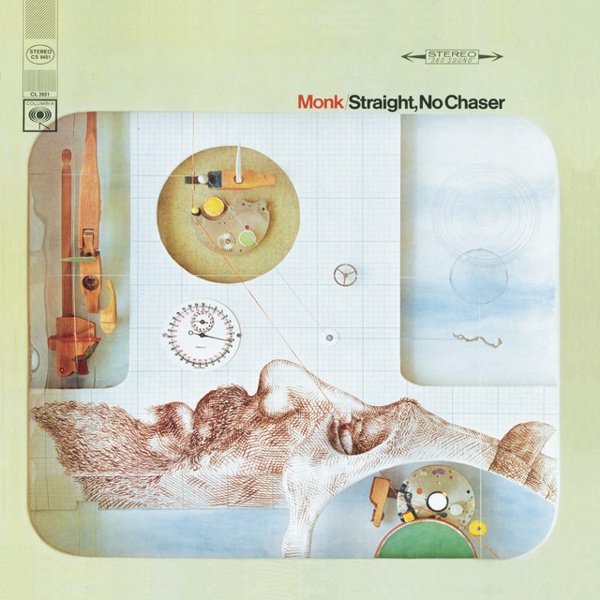
Straight, No Chaser
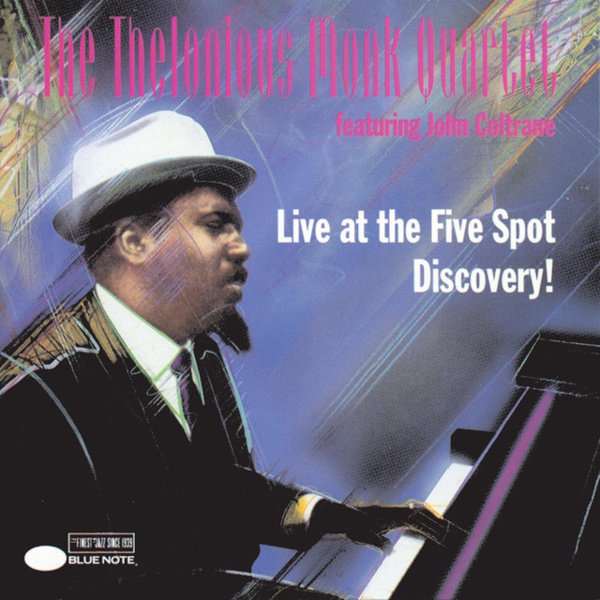
Only a titan of 20th century music at the level of Thelonious Monk could cut an album like this and have it land somewhere in the B-tier of his catalogue — well-appreciated, yet still considered a product of a later-career period where he was seen to be fading in relevance. Coming late in Monk’s tenure at Columbia under the production of Teo Macero, Straight, No Chaser isn’t so much a revolution in jazz as a subtle reiteration: the pianist’s ear for counter-intuitively off-kilter melodicism as a composer and disarmingly unpredictable phrasing as a soloist are still present, just not quite as startling as they had been a decade previous. What he does provide with this quartet is an amazingly intuitive-sounding communication with the band, particularly tenor sax player Charlie Rouse, who makes a great partner (and foil) when it comes to playfully elaborating and extrapolating on Monk’s own sense of progression. In contrast to the way this material might’ve been played in the ’50s — the shuffle-gone-balletic of “Locomotive,” the elevated boogie-woogie of “We See,” the 12-bar, 24-carat, 99-proof blues of the endlessly pliable title cut — it’s more comfortable, not as in complacent, but as in freely open and communicative, a genius in late middle age finding inspiration in the fact that this had become second nature to him and his players.
Recommended by