


Much like emo, “math rock,” as both a concept and a term, is a can of worms.
Depending on the age — and regional and/or taste-based bias — of the person you’re polling, it can connote many different things, including but not limited to: tricky time signatures, your 5s, 7s, 9s and so on (hence the “math” part); a de-emphasis on conventional vocals, or no vocals at all; performances marked by idiosyncratic virtuosity; a chaotic feel; a polished feel; aggression; melancholy; hyperactivity; serenity; compositional intrigue; very short songs; very long songs; funny song titles.
No one seems to know exactly where the phrase even originated. One possible origin story comes from Matt Sweeney, who once told Pitchfork that his own band Chavez had been labeled “math rock” back in the mid-’90s, and not necessarily in a complimentary way. He elaborated on the origins of the phrase:
“It was invented by a friend of ours as a derogatory term for a band me and James played in called Wider. But his whole joke is that he’d watch the song and not react at all, and then take out his calculator to figure out how good the song was. So he’d call it math rock, and it was a total diss, as it should be.”
Much as with emo, distaste for the label is a common sentiment among those who find themselves saddled with it. (Battles drummer John Stanier has said, “It’s a pretty gross term, really unsexy.”)
But the fact of the matter is that we’re stuck with the phrase. It’s out there. People use it, and will continue to do so. So maybe it’s time to succinctly define it, and here — after around 30 years of enjoying music that falls under this umbrella, and more than 25 of attempting to play it, while also occasionally taxonomizing it — is my best attempt:
Punks playing prog.
To tell an overly reductive, and entirely subjective, tale: In the beginning, progressive rock was a gritty affair, much like its close cousin, jazz-rock fusion. Cornerstone statements such as Larks’ Tongues in Aspic, Fragile and The Inner Mounting Flame prized technical precision but also gnarly physicality. They stimulated the mind, but you nevertheless felt them in your gut.
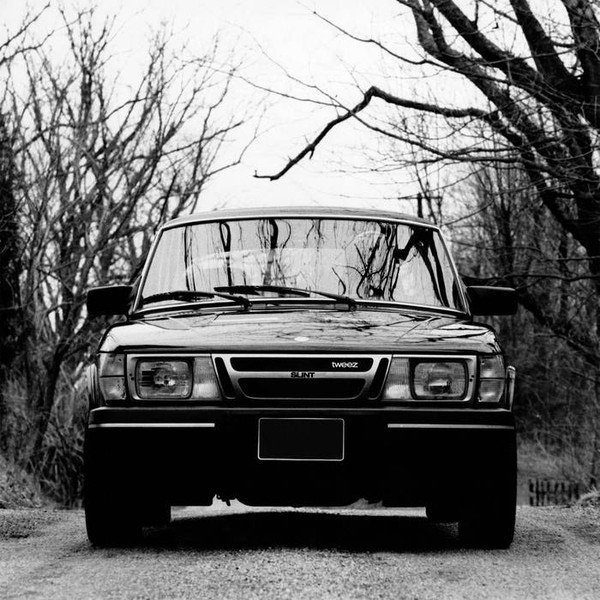
Slowly, the edges got sanded down, so that “prog” and “fusion” came to signify polish, perhaps verging on sterility. From this point, the mission of prog, as it were, went underground. After the smoke cleared from hardcore’s initial big bang, certain musicians got restless and started experimenting, to the point that by the mid-’80s, “punk rock” could refer to the Minutemen as much as Minor Threat. Proggish tendencies began to surface in the work of bands such as Slint, Bitch Magnet and even Melvins, whose Ozma, with its spiny, asymmetrical song structures, was essentially secret prog at doom metal tempos.
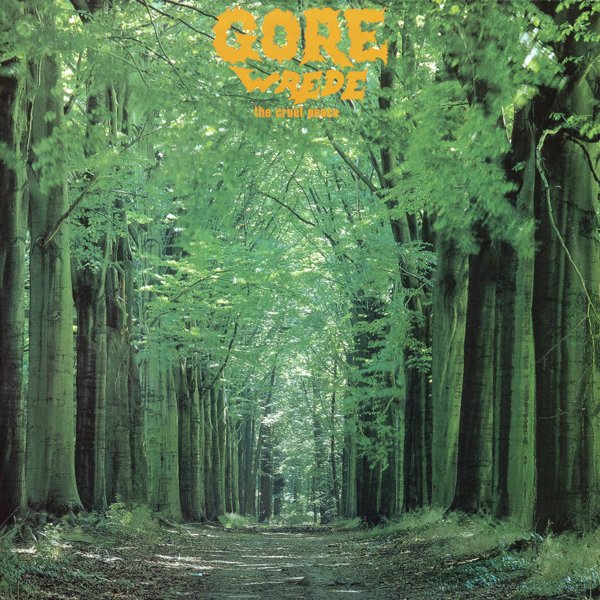
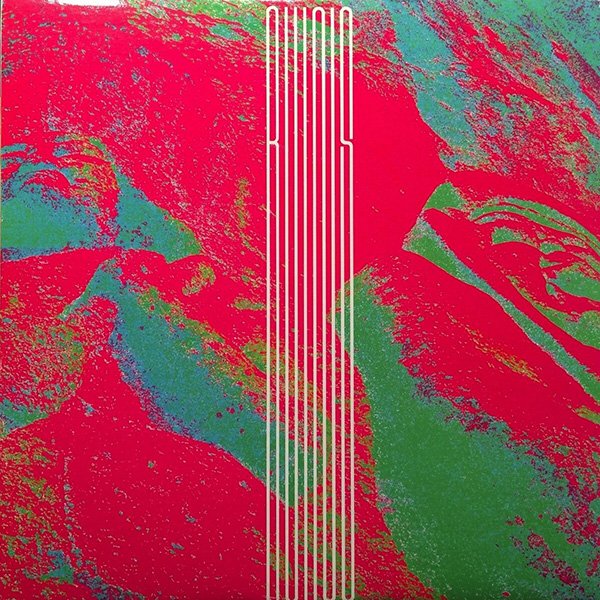
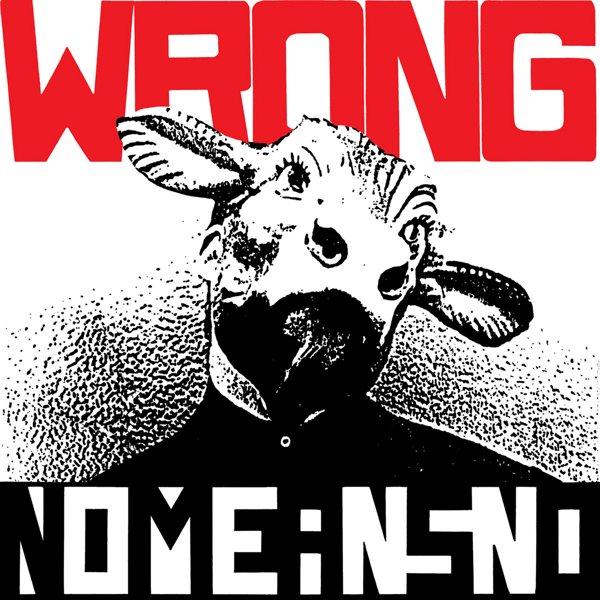
(And let’s not forget ’80s outliers as diverse as No Wave–adjacent NYC eccentrics Massacre; British Columbia’s NoMeansNo, who battered hardcore into ever more angular forms; surprisingly evolutionary-minded Dutch noise-rockers Gore; and of course Japan’s brilliantly unhinged Ruins, essential to any serious math-rock genealogy.)
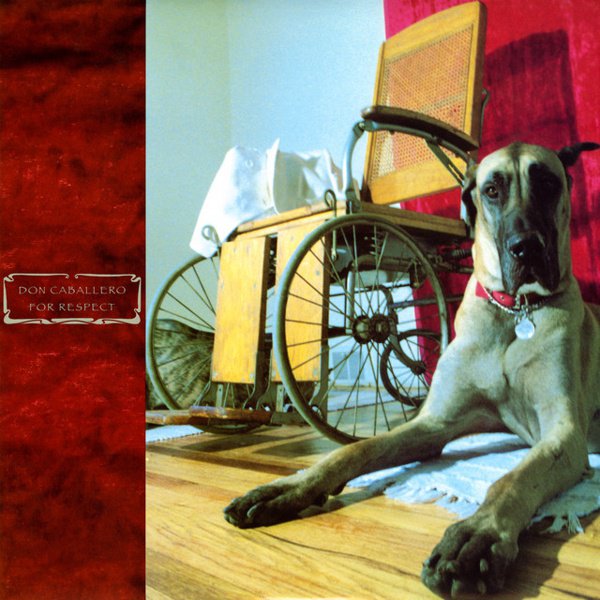
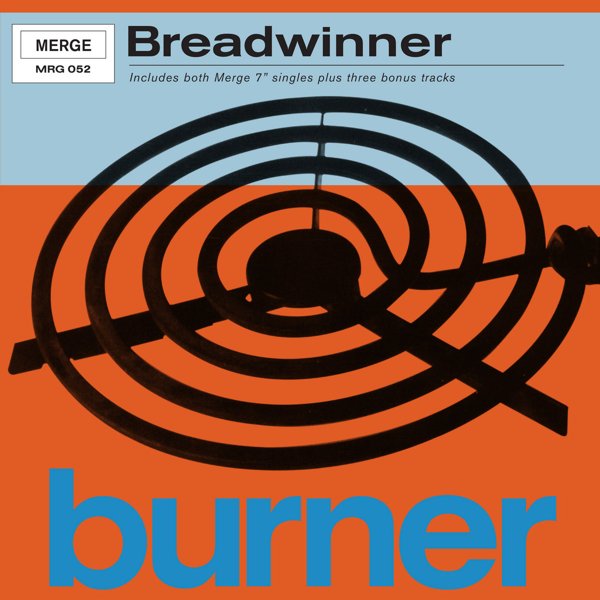
The result was that by the dawn of the ’90s, it was possible to build an entire band around the union of bludgeoning impact and rhythmic experimentation. Compositions weren’t so much songs as obstacle courses to run, with the inevitable collisions and wipeouts built into the process. A group like Richmond, Virginia’s Breadwinner, which could credibly be called the first math rock band, were staggeringly tight, but, crucially, they never felt sterile: They drew severe lines in their songs and then strategically colored outside them. Don Caballero, from Pittsburgh, took a similar tack, refining their instrumental riffscapes but maintaining a defiantly reckless energy.
Both of these bands shared a few key characteristics: performances built around the volatile charge of a wizardly yet audaciously irreverent instrumentalist (in Breadwinner’s case, guitarist Pen Rollings; in Don Cab’s, drummer Damon Che) and a sense of insular humor (Breadwinner: “Kisses Men on the Mouth on the Mountain,” “Turtlehead”; Don Cab: a wealth of SCTV references) that created a perverse friction with the music itself. To make such technically accomplished music but to accompany it with perversely unserious trappings seemed like the ultimate punk-rock fuck you — a key element that sets math rock apart from, say, progressive metal or other similarly prog-derived styles.
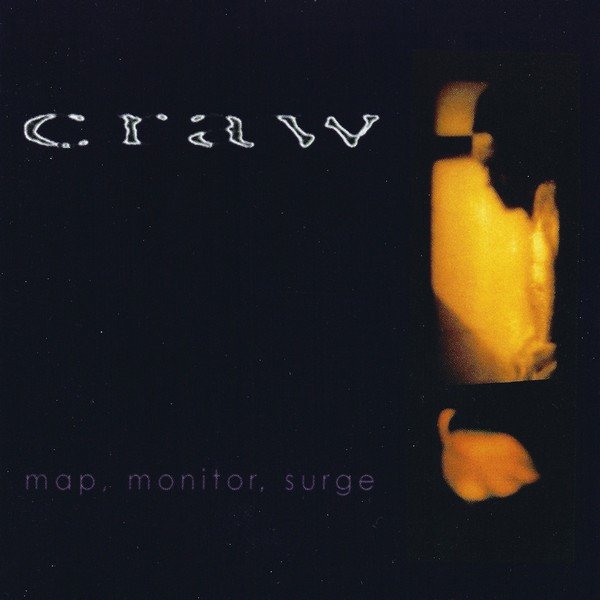
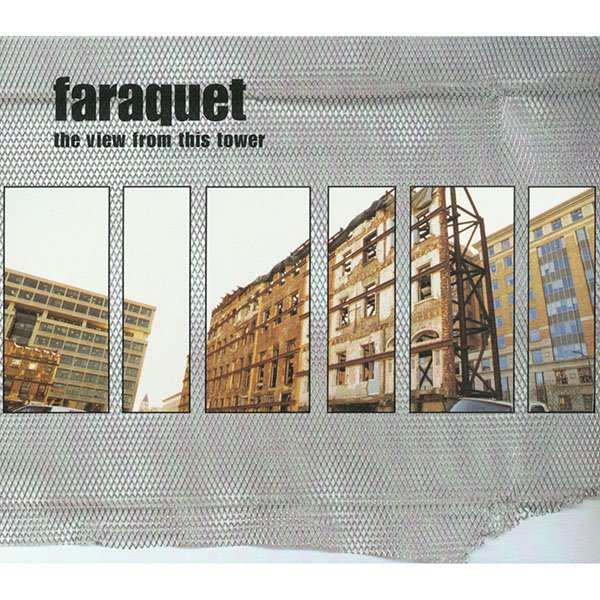
The math-rock spirit bore bountiful fruit in the ’90s, mingling with the more aggressive wings of the underground to produce the grisly prog-infused post-hardcore of bands such as St. Louis’s Dazzling Killmen and Cleveland’s craw, the more offbeat but still intermittently vicious strains of Chicago avant-rockers Cheer-Accident and D.C.’s stylish, effortlessly masterful Faraquet.
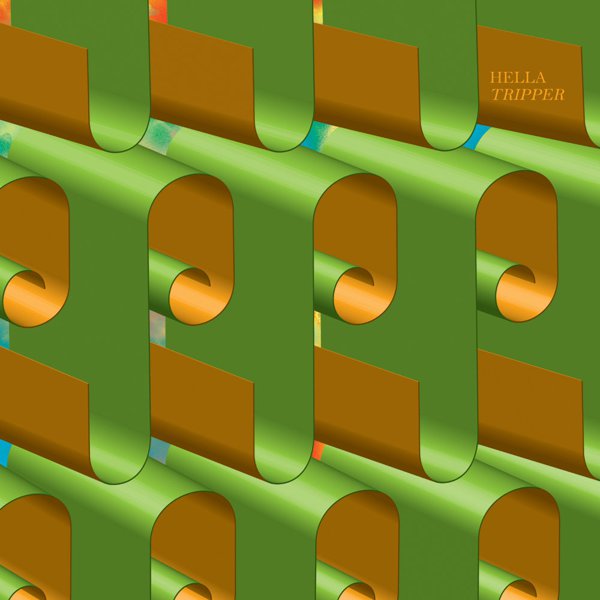
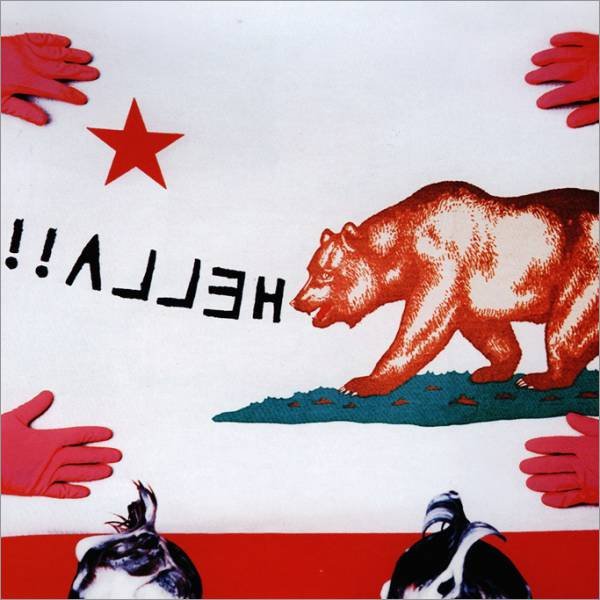
The early 2000s brought a whole new crop of mathy goodness, from the first self-described “brutal prog” era of the ever-shapeshifting Flying Luttenbachers to the stupefying avant-rock oddity of Grand Ulena, the burly wallop of Keelhaul and the mighty and hugely influential Hella, who sounded nothing like Don Caballero but seemed to carry on their legacy via the awe-inspiring drumming of Zach Hill, a sui generis marvel in the Damon Che lineage, and a general sense of goofy irreverence.
Before their initial breakup, Don Cab themselves — who could be considered math rock’s Beatles, leading the way through the unofficial movement’s many chapters and eras — laid out a key blueprint with American Don, which, with a sonic palette heavier on post-rock-adjacent atmosphere than on metallic crunch, and guitarist Ian Williams’s crafty use of the Headrush loop pedal, became a touchstone for subsequent generations. (The band would return sans Williams with a heavier, more stripped-down sound on 2006’s strong, underrated World Class Listening Problem.)
It’s here that the math-rock family tree intertwines — somewhat confusingly and seemingly almost by accident — with that of so-called Midwest emo. In particular, the gossamer guitar webs of American Football, a daintier, more palatable counterpart to the prettier moments of late-’90s and early-2000s Don Cab, informed an entire generation of sensitive guitar geeks, including self-proclaimed “math-folk” purveyor Emma Harner and Yvette Young, leader of one of the most prominent contemporary math-rock outfits, Covet. Another key bridge act between the math rock and emo zones: Japan’s prolific and impressive toe, who, for some younger fans and practitioners, loom as large as Don Cab do to the older heads.
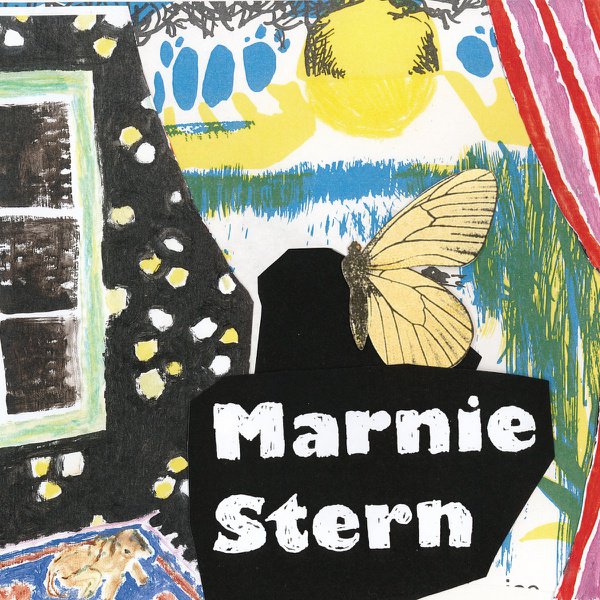
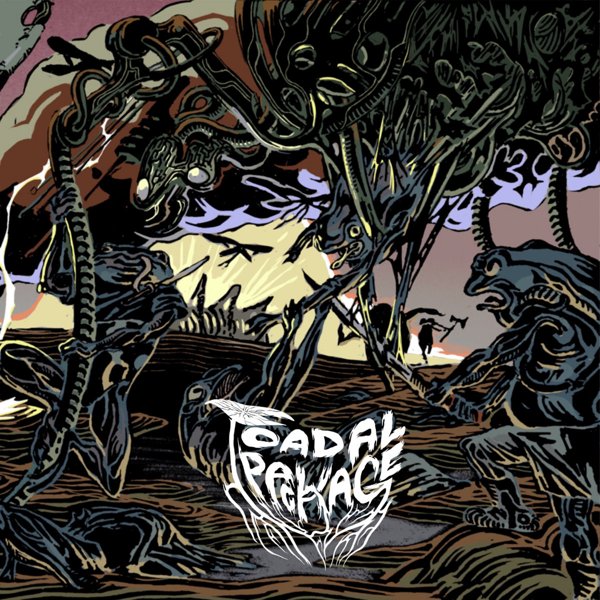
From the mid-2000s on, it’s anything goes. Artists such as Marnie Stern and Tera Melos have channeled Hella- and Don Cab–isms into giddily triumphant art pop, while St. Louis cult favorites Yowie have gradually refined their hyper-involved rhythmic illogic into something resembling dance music, a thornier and more forbidding cousin to the hypnotic math-pop of a band like Horse Lords. Encouragingly, despite the overall glossification of this anti-genre over time, some current math-rock acts are flaunting both confounding oddity (Gumby’s Junk, from Oakland, e.g.) and proud grittiness (Toadal Package, from New York, e.g.), making sure the prog doesn’t overwhelm the punk, and that this lovably convoluted lineage keeps sprouting new branches.