



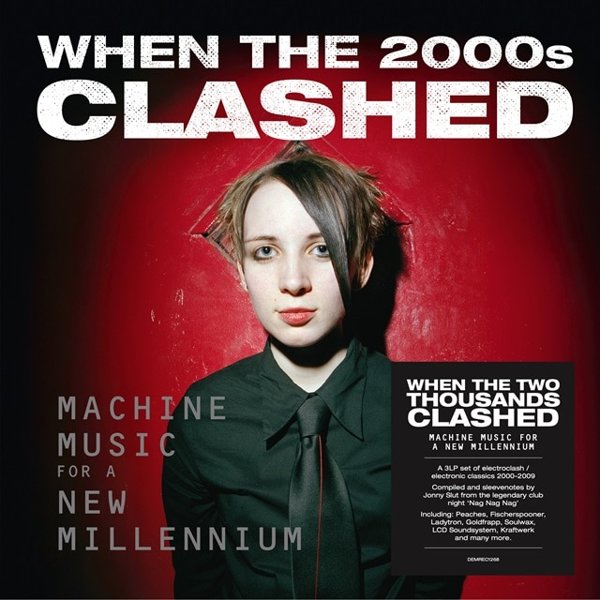
The turn of the 21st century was marked by a back-to-basics approach in popular music. The Strokes and the The White Stripes stripped rock music of its late-90s excesses, the Yeah Yeah Yeahs and The Rapture brought movement and urgency back to indie rock, and electroclash sought the same ends with electronic dance music. After years of bloated, anonymous trance music, corporate sponsorships of artists and events and the dominance of bro-filled superclubs, electroclash turned the clock back to techno’s roots to bring some sex, danger and sleaze back to clubland.
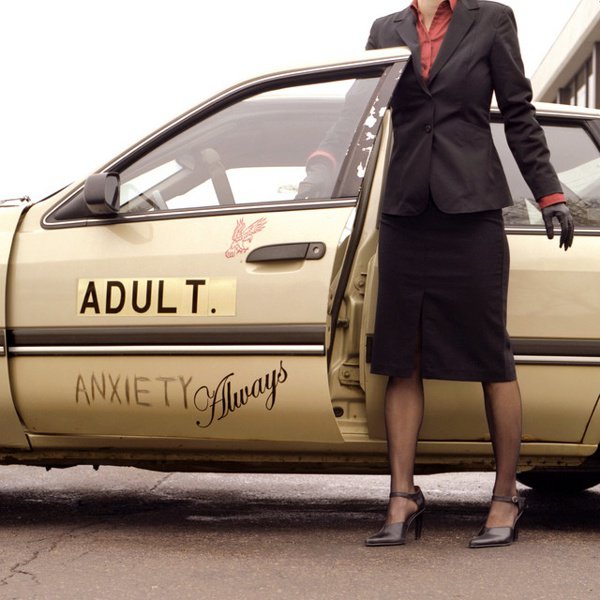
Starting in the second half of the 1990s, DJs and producers in Germany (DJ Hell), France (Miss Kittin and The Hacker) and the Netherlands (I-F) started experimenting with minimalistic techno accompanied by song structures and vocals derived from early-80s new wave and synth pop. I-F’s “Space Invaders Are Smoking Grass,” from 1998, is sometimes considered to be the first true song of the genre, and its reliance on pop hooks and seedy retro-futuristic atmosphere makes it a strong contender. In the years before influential New York DJ Larry Tee finally named this new style with his Electroclash Festival in 2001, artists like Chicks on Speed, ADULT. and Felix da Housecat all released underground floor fillers that merged the sordid atmosphere and electronic textures of early-80s Soft Cell, Visage and The Human League.
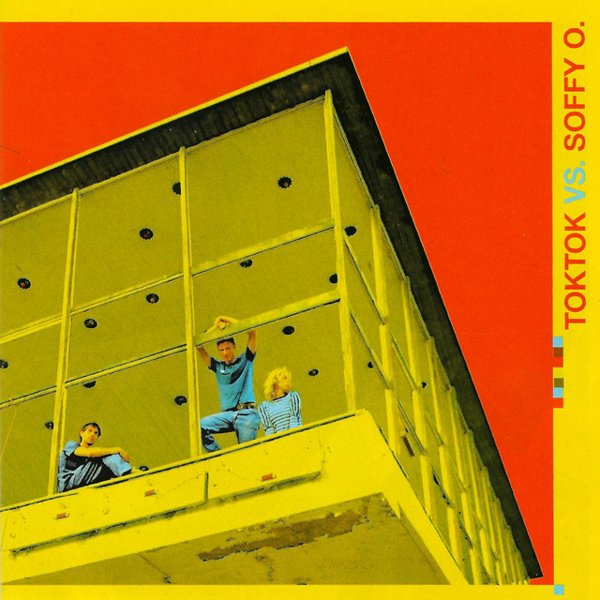
The basic sound used starkly arranged analog synths playing octave jumping disco basslines, backed by uncomplicated 909 drum programming. Vocals were spoken or processed through vocoders and the mood was coked-up and glamorously decadent. “Missy Queen’s Gonna Die,” Toktok & Soffy O’s swaggering, addictive track from 2000 was one of the best examples of this sound. Electroclash’s stylized allure and emotional distance made it a good match for the soundtrack of the art and fashion scenes in major cities, and both artists and audiences came primarily from queer communities, similarly to its predecessor house.
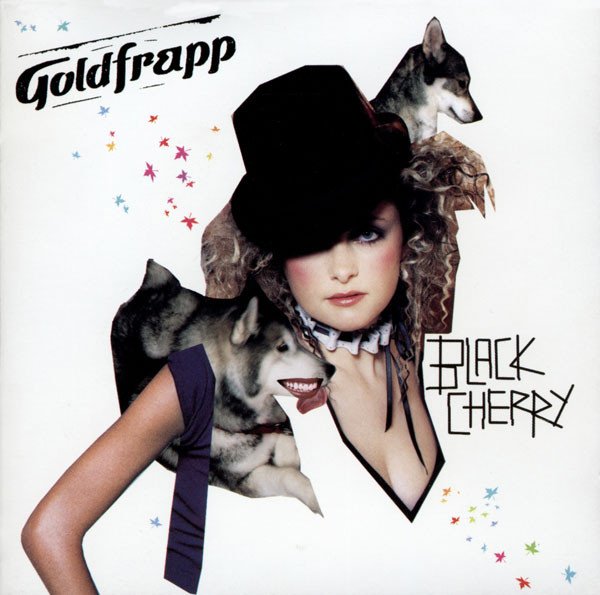
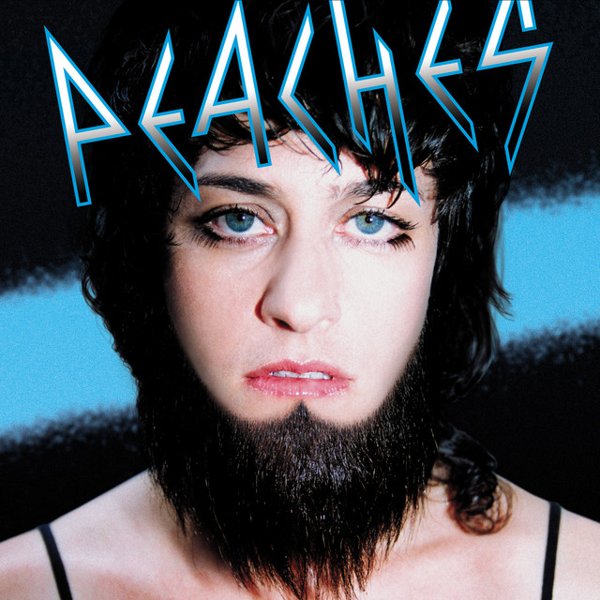
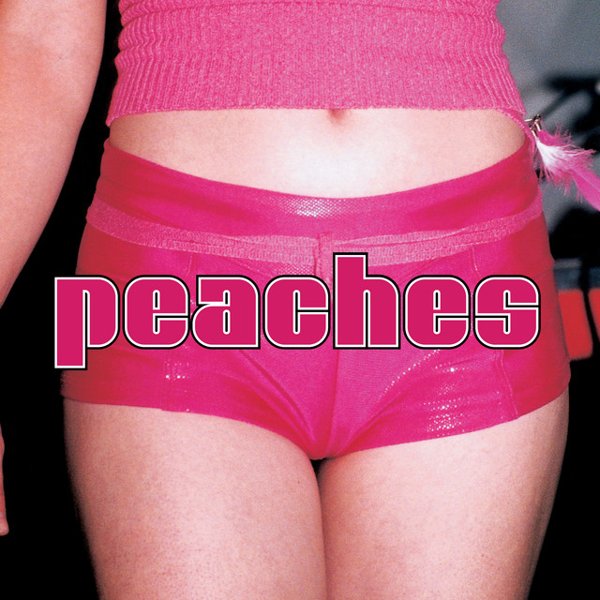
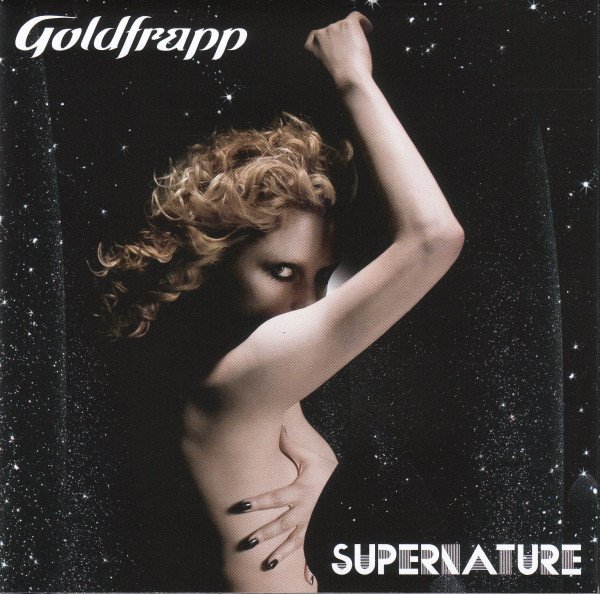
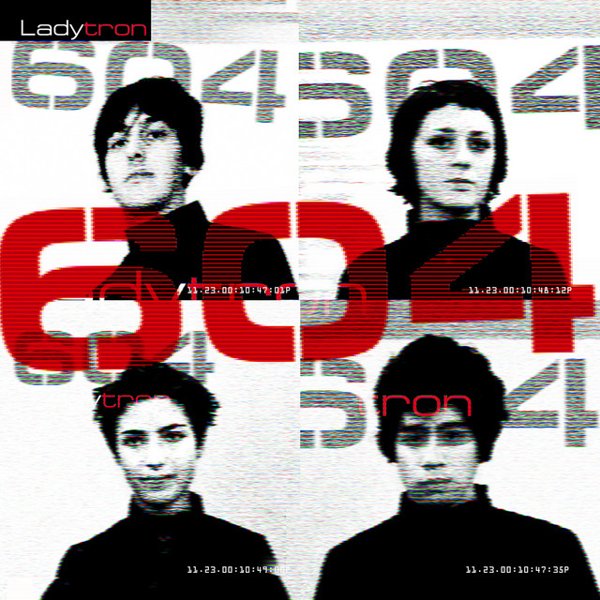
In hindsight, there were two main wings of electroclash. The originators, like I-F, Larry Tee and Miss Kittin, released music like techno or house always had, focusing on individual songs and remixes released on 12-inch singles. Fischerspooner, from New York City, released one of the definitive tracks of the genre in 2001 – the pulsating aspirational anthem “Emerge.” Today, these recordings are best served by compilations. The other wing consisted of artists who made whole albums, such as Peaches, Ladytron and Goldfrapp, who released their best music on LPs after 2000. Their music had less of an obvious connection to techno and employed expansive synth textures, in some cases made possible by the sudden availability of cheap Roland grooveboxes in the late-90s, which put sampling, drum programming and synths in one unit.
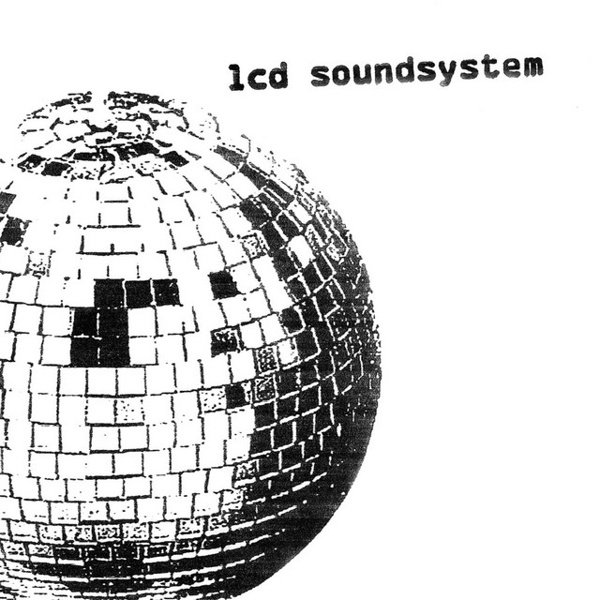
Sexed up and zoned out minimal dance music like this wasn’t meant to make a commercial impact – it was designed for tiny dive clubs and art galleries – but electroclash wound up enjoying an outsized influence on music and culture. The garish, neon sound and look put much of the sleaze into the indie music of the time, and pop like Britney Spears and Justin Timberlake quickly absorbed its attitude and synthetic musical textures. Dance-punk bands like LCD Soundsystem and The Rapture did the same, and most indie or rock acts that dabble in dance or electronic music in the present owe a debt. Electroclash still lives on in the throbbing club pop of Charli XCX, The Dare and Lady Gaga, and virtually anytime a movie or television show evokes trashy retrofuturism.