
Multi-platinum rock star largesse can manifest in any number of ways –from buying a castle or yacht to owning a race horse– but for some it’s the rare chance to give back to the music that first inspired them. In the case of Simply Red’s singer Mick Hucknall, he and his manager wanted to big up the vital legacy of Jamaican music with a roots reggae reissue label. And who better to helm this endeavor than renowned British reggae writer, journalist, historiographer, and archivist, Steve Barrow? Together with another singer, Bob Harding, Barrow, Hucknall (and Hucknall’s managers Elliot Rashman and Andy Dodd) established the Blood and Fire label in 1993.
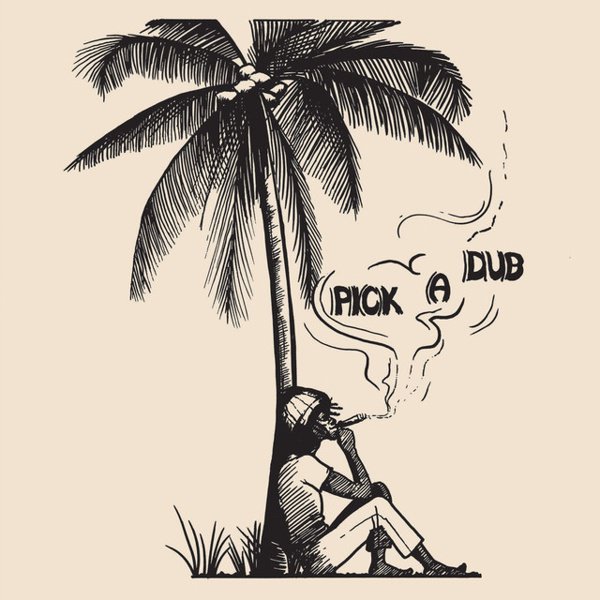
In hindsight, it’s hard to recall a time when there wasn’t deep reverence for the deep bass of Jamaican music, but that wasn’t always the case. Outside of the multi-platinum Bob Marley reissue industry, the rest of the music pumping out from that Caribbean nation could look roughshod and circumspect when encountered in shops. Delve into the murky realms of dub reggae and it got even more obfuscated. The album artwork of crucial dub albums might look like it was hand-drawn in five minutes. And the song titles on the back cover rarely corresponded with what was on the record label, much less aligned with what was actually pressed onto the vinyl itself. Only the most diligent of historians could sort out such recording info as dates and players or even the artists themselves.
As Simon Reynolds recalled in Retromania: “Reggae reissues had generally been shoddy affairs with ugly packaging, no information and dismal sound…Blood & Fire set itself apart by its careful sound restoration and attractive vintage-aura artwork.” Which is where Barrow stepped in with his detailed notes for each Blood & Fire release. In a musical universe where who sang or played in the band was not quite the x-factor as was who was seated behind the board as producer, figures like King Tubby, Lee “Scratch” Perry, Prince Jammy, and Scientist, factored heavily into the head-swimming sounds found within. But it wasn’t always easy to tell who was the dread at the controls.
As Barrow put it, the original intention of Blood & Fire was to elevate one producer to his rightful place in Jamaican music: “We think that King Tubby is one of the most important figures this century, so indirectly the catalogue celebrates King Tubby and his contribution. We think that King Tubby is probably more important than Bob Marley,” he said in an interview. “The majority of the Blood & Fire catalogue went through King Tubby’s [studio]. There are exceptions but, by and large, most of those records were mixed by King Tubby or one of his pupils, and they were voiced there.”
When B&F was first established, it had been roughly four years since Tubby’s senseless murder during a robbery outside his home in Kingston and his contribution to Jamaican culture was in peril of being erased by the new sound of dancehall. By the early 1990s, it was becoming clear that Tubbys’ legacy would ring out across future generations. His pioneering usage of reverb, echo, phasing, and delay was unparalleled, his handiwork revealing multiple universes hiding in plain sight on the multi-track tape. With his hands on the control knobs, entire soundworlds could emerge between the one and two in the rhythm section. Singsong melodies and vocal hooks could get vaporized, but the steady pulse of the bass and drums would keep you rooted in the ground, your head in a cloud of smoke, your feet shuffling on the dancefloor.
In the music world at large, dub reggae was beginning to infiltrate and mutate other musical forms. In the dance music underground, the head-expanding use of delay and reverb was hypnotic, while the bass-forward sound that Tubby, Jammy, Scratch, Niney the Observer, Keith Hudson, and others championed could be heard in new forms like trip-hop and downtempo. Drum-n-bass is impossible to imagine without the trailblazing productions of King Tubbys. Early electronic groups like the Orb relied heavily on the spatial-warping properties of dub reggae and utilized such strategies for their own squishy, giggly, psychedelic version of head music. Post-rock groups in the US and UK were also cribbing from dub in exploring how simple instruments like guitar, bass, keyboards, drums could open up entire new vistas to explore. It also didn’t hurt that alternative hip-hop icons the Beastie Boys put out a magazine featuring Lee Perry on the cover, giving suburban skater kids a chance to bypass their older sister’s copy of Legend and proceed directly to these deep bass frequencies.
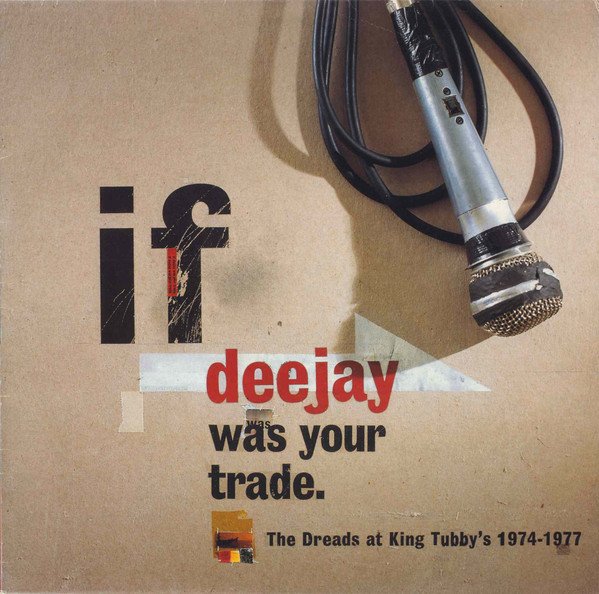
To say nothing of New York City’s hip-hop lineage stemming directly from the Afro-Caribbean diaspora and the urban sonic disruption of Jamaican soundsystem culture. Blood & Fire efforts laid bare that direct connection with their very first release, a compilation entitled If Deejay Was Your Trade (The Dreads At King Tubby’s 1974-1977). And each subsequent reissue revealed another new aspect of Jamaican music otherwise obscured by the white sands of that Caribbean isle.
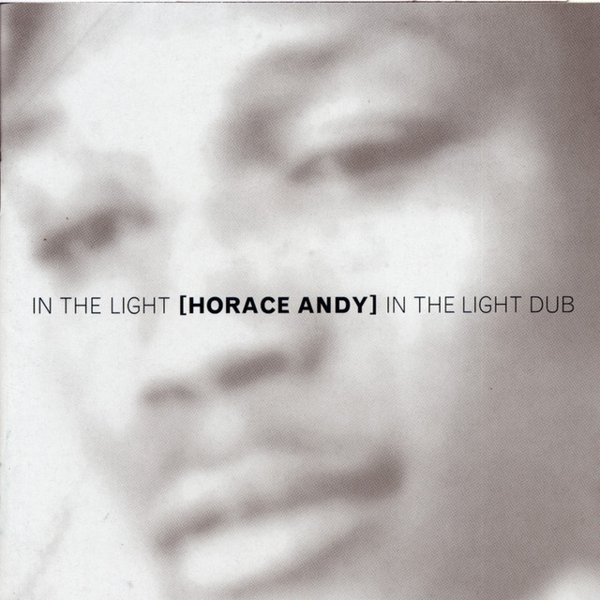
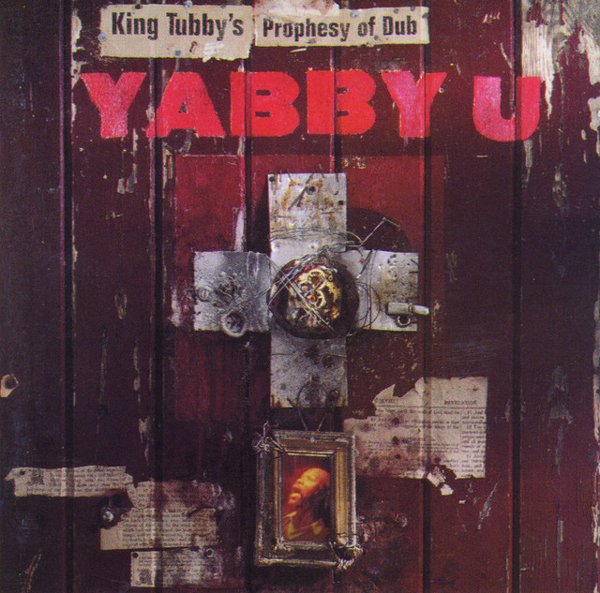
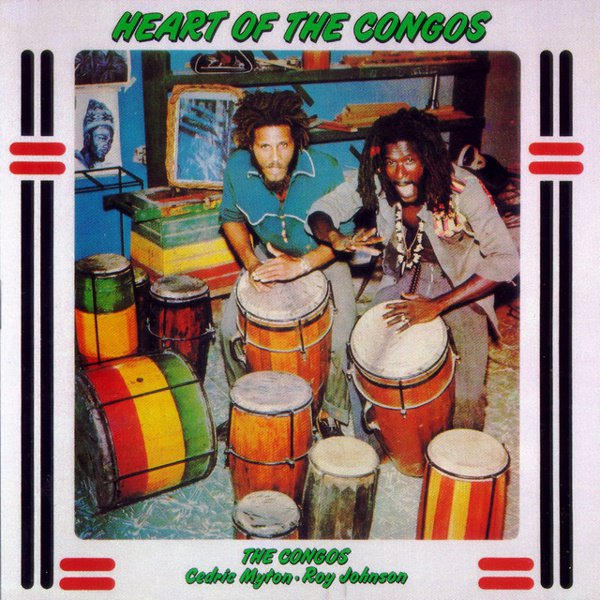
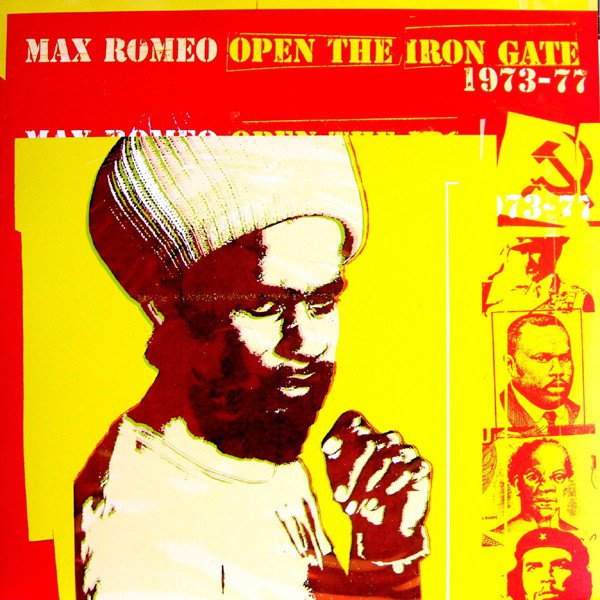
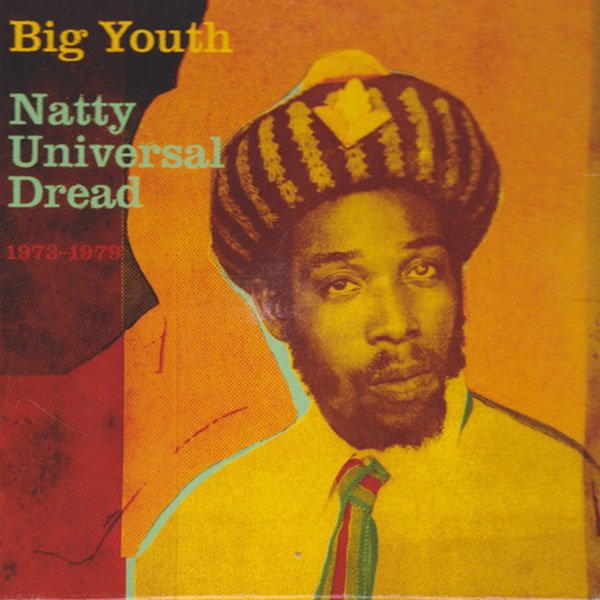
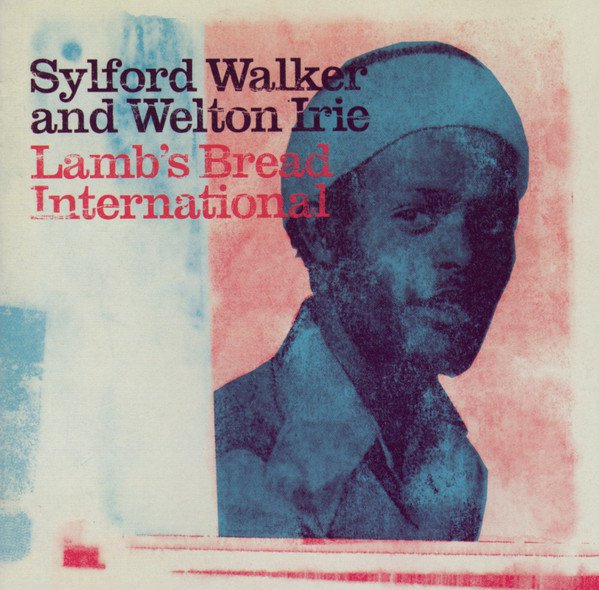
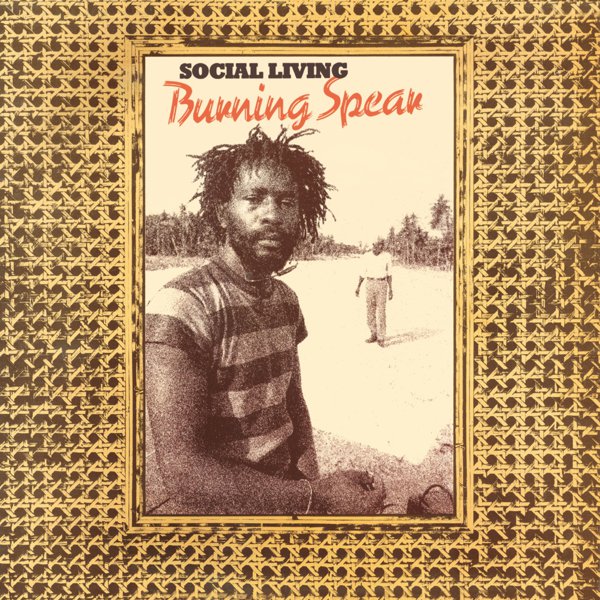
The label brought back into print outright classics of the form like the Congoes’ Heart of the Congos, Burning Spear’s Social Living, Horace Andy’s In the Light, and Max Romeo’s Open the Iron Gate, while also bringing back to light some other reggae greats who hadn’t made inroads in the west (Keith Hudson, Yabby You). The label also championed lesser-known lights like Jah Stitch, Prince Alla, Sylford Walker, U Brown, and Ranking Joe. And on every reissue was an exhaustive essay full of trenchant insight and knowledge, artist quotes, and observation giving further insight into the time and places that birthed this music, usually penned by Barrow himself.
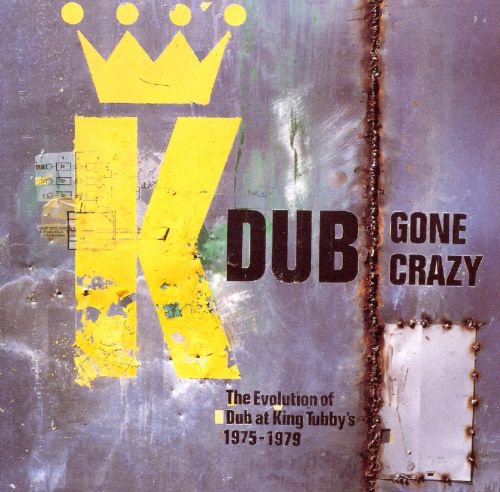
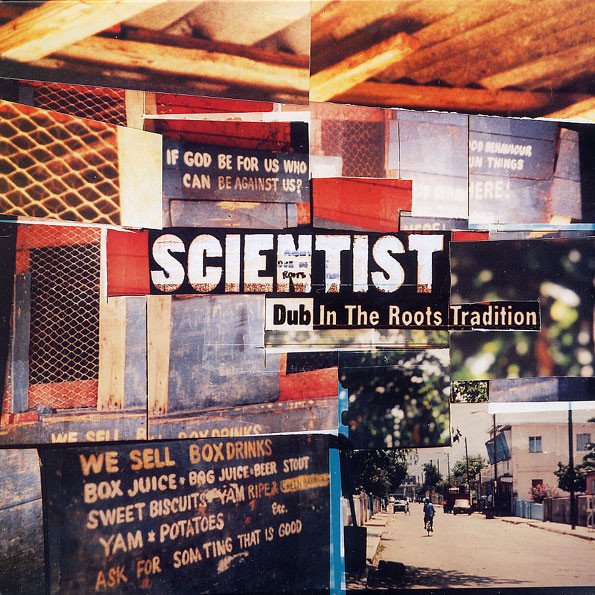
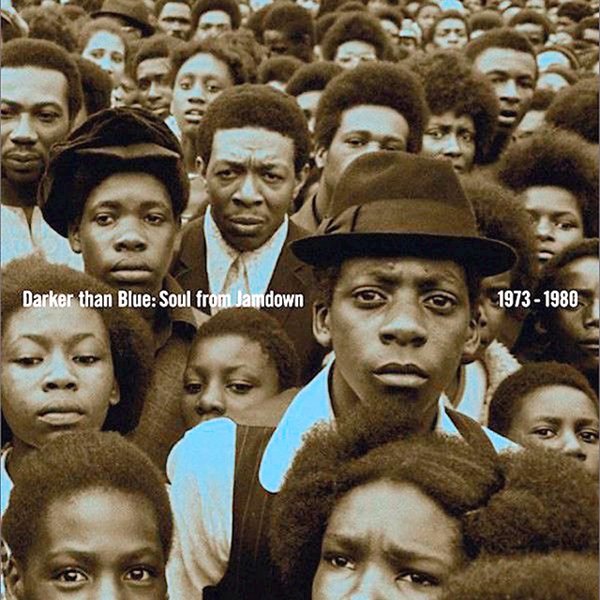
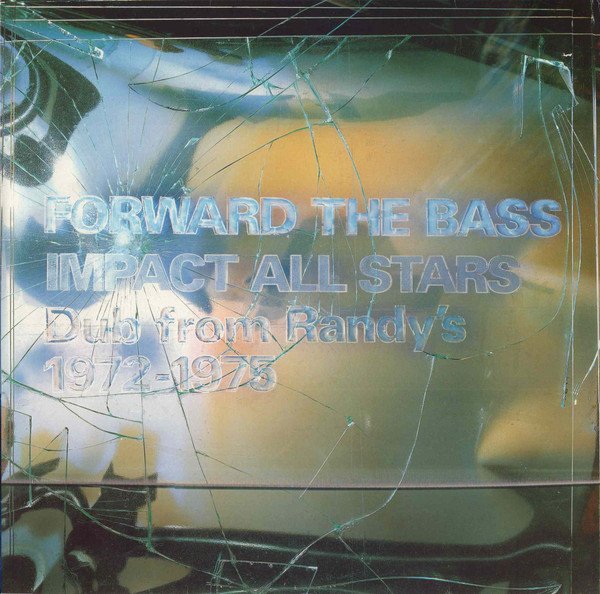
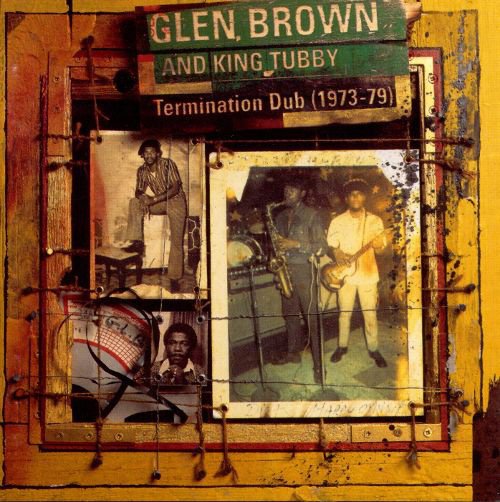
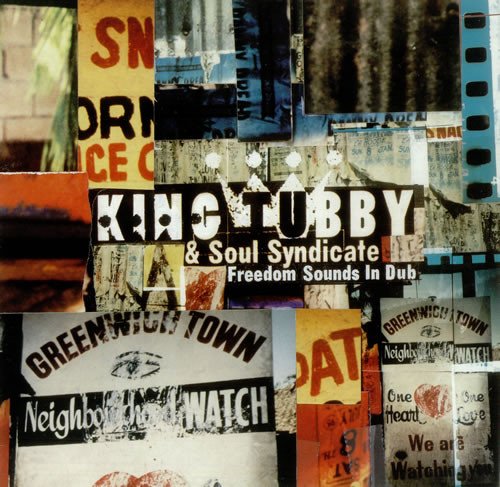
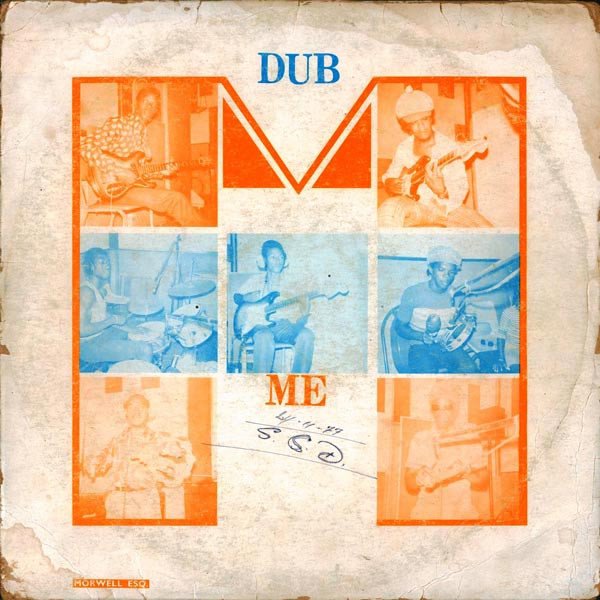
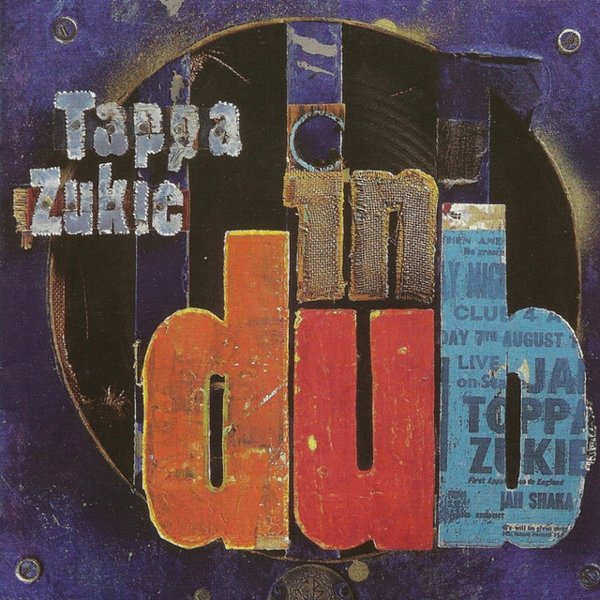
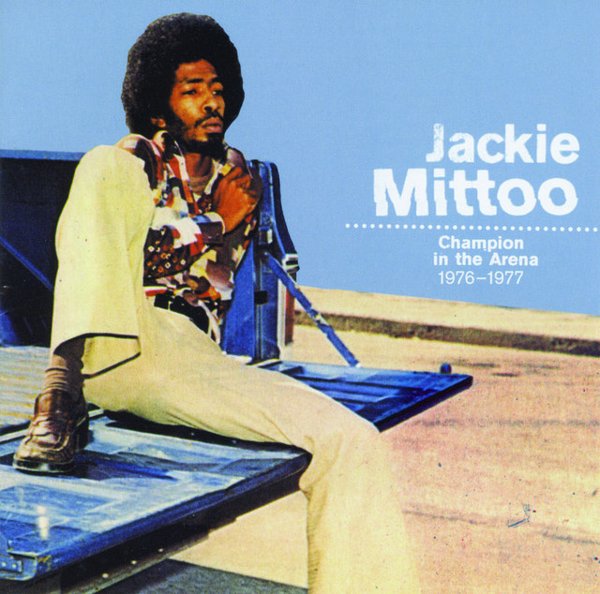
Just as crucial for Blood & Fire’s mission of preserving this music was presenting it in the most visually arresting manner possible. B&F cover art might feature burlap, splintered wood, coiled wire, broken glass, palm fronds, or corrugated tin, these coarse materials paying homage to the impoverished conditions in the slums of Kingston that gave birth to so many of these singers and musicians and producers. Tastefully layered with artist photos and creative usage of the original cover art whenever possible, these visual textures amplified the raw productions within. It also imparted a three-dimensional feel to Blood & Fire’s eye-catching cover art, suggesting that the music within could seem to move spatially in 3D as well.
Such iconic design work also transformed the presentation of reissues going forward, suggesting a fealty to the original designs while similarly moving it forward. The label was going strong into the 21st century, before the bankruptcy of their American and French distributors made daily operations all but unmanageable. But much like the earthquake bass and hissing hi-hats of a classic King Tubby dub, the sounds that B&F championed continue to reverberate into the present.