

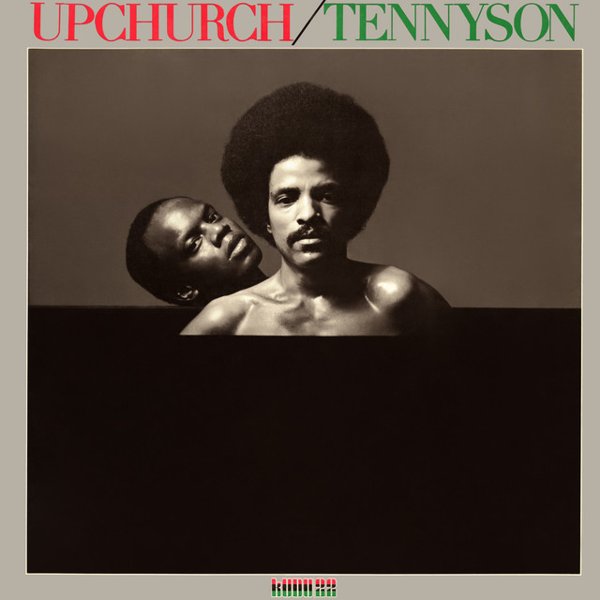
American jazz record producer and label boss Creed Taylor’s various achievements in his lengthy career included working with jazz giants like Coltrane, Evans and Mingus, playing a key role in introducing Brazilian Bossa Nova to the US, and founding influential jazz labels Impulse! and CTI (Creed Taylor Inc). He also launched three subsidiary labels from CTI: Three Brothers, Salvation and Kudu Records.
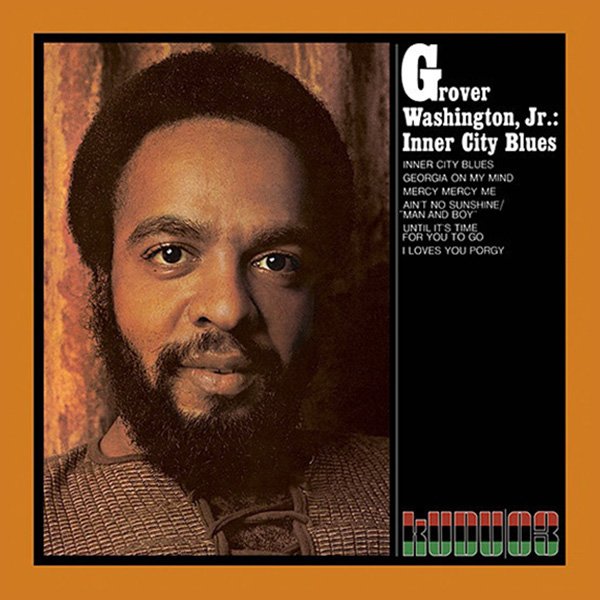
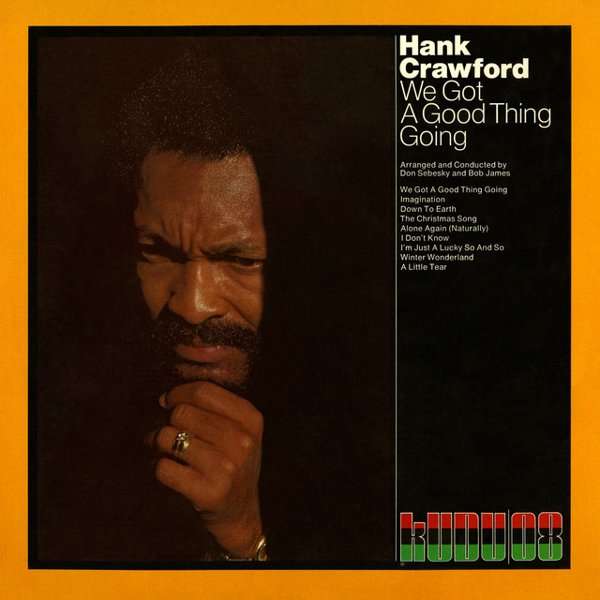
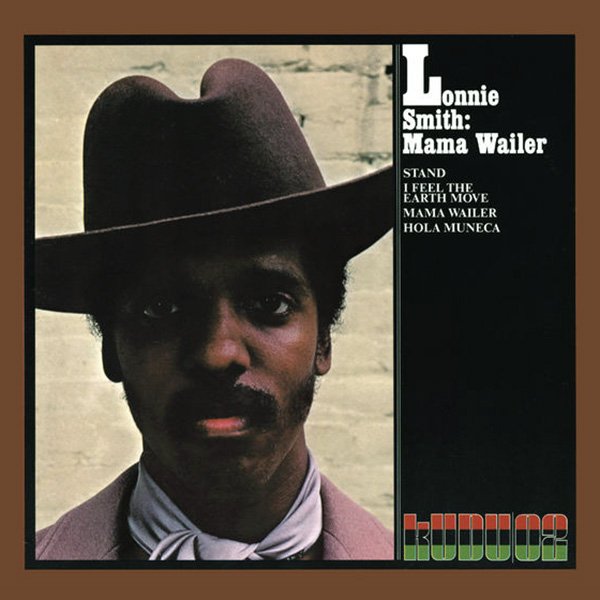
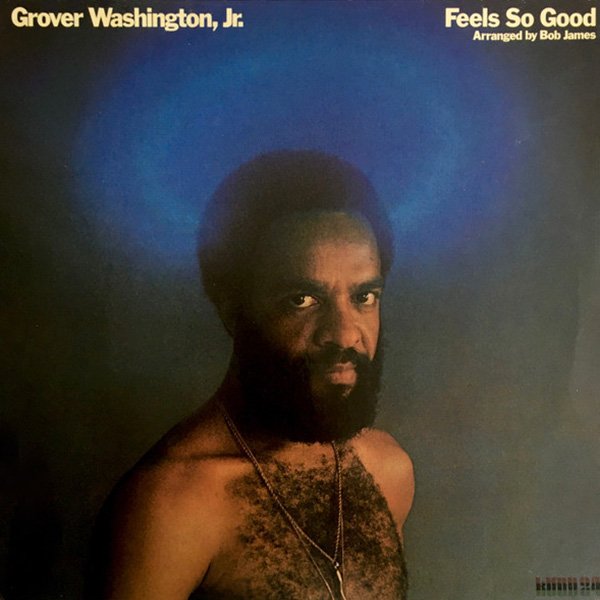
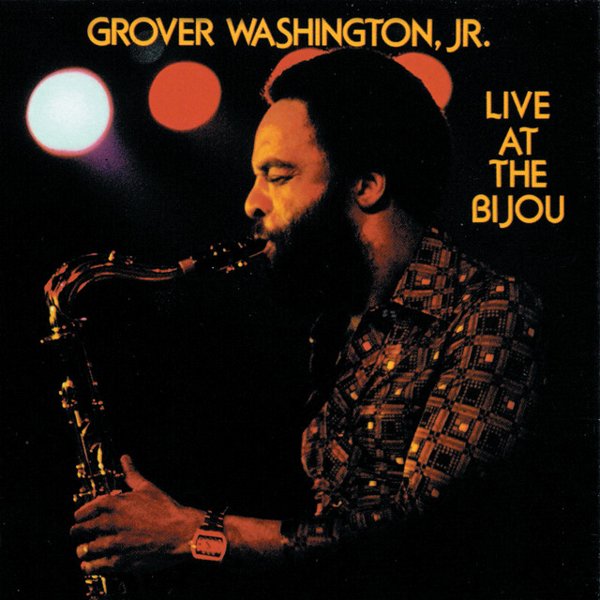
Established in the summer of 1971, the Kudu label was intended to release soul jazz, an accessible, danceable jazz sub-genre that incorporated R’n’B/soul rhythms, was often played by small organ combos, and which had developed in the preceding two decades. Taylor’s Kudu enlisted a stellar revolving door lineup of superlative house musicians, including Ron Carter, Airto Moreia, Richard Tee, Lonnie Smith, and Bernard Purdie, many of whom would also release solo albums for the label. The primary arranger was the legendary Bob James, while Taylor oversaw the production. With a roster of established artists like Hank Crawford and Grant Green, and newer talent like Grover Washington Jr., Kudu continued in the soul jazz tradition of easy-going dancefloor-targeted jazz music, while further developing the sound to their own particular distinctive style, making a number of creative decisions to maximise crossover success for their releases.
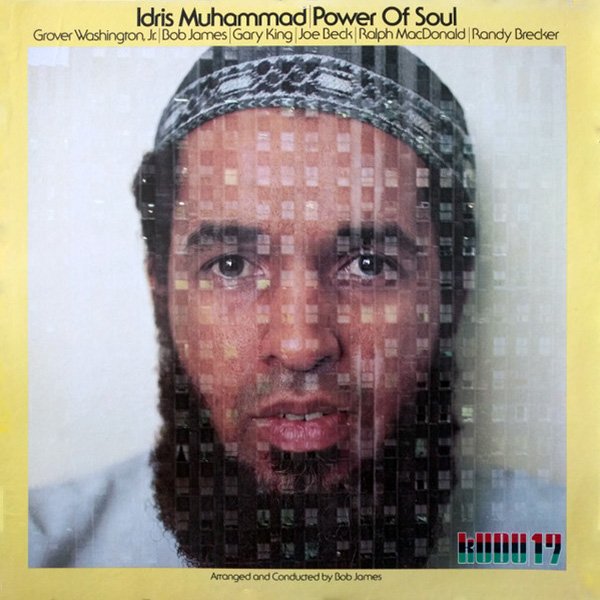
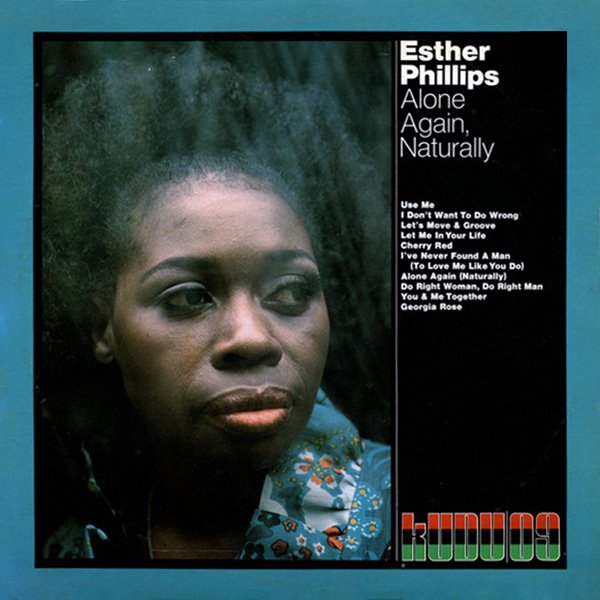
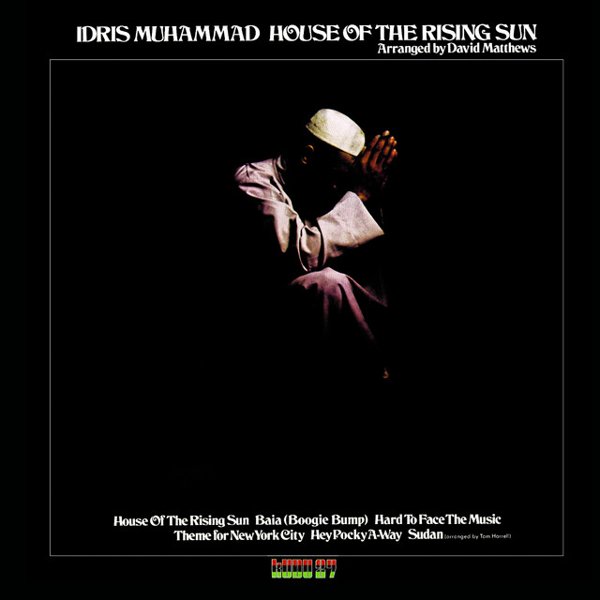
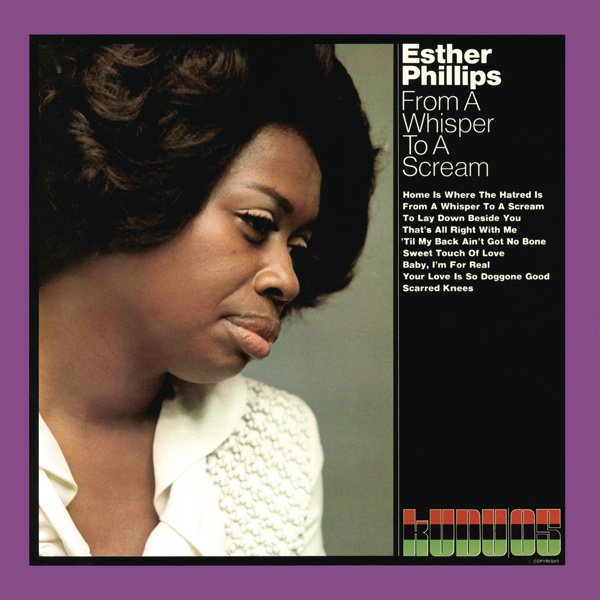
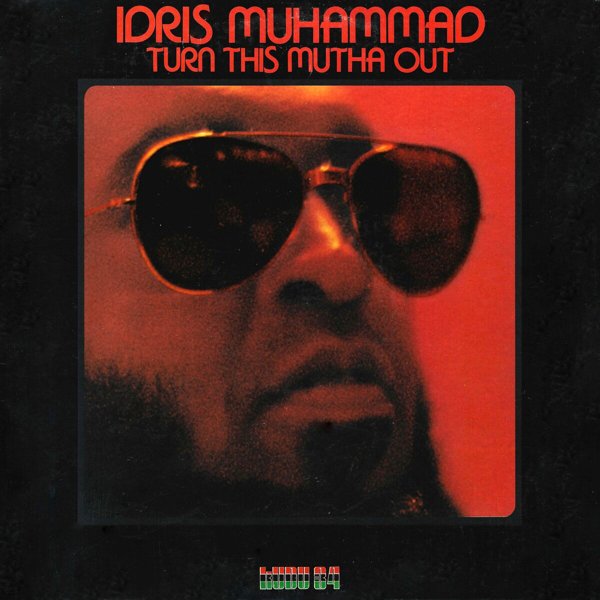
With a few exceptions – vocalist Esther Phillips’ Kudu material was more soul than jazz, Idris Muhammed’s Kudu albums were more intense and far out than the rest of the catalogue – Kudu albums tended to follow a general template. They were a mix of funky/soul jazz cover versions of popular songs and originals, balanced with more laid-back, meditative soul jazz pieces, and the jazz musicians’ licks were often graced with additional sumptuous, cinematic orchestration. The melodic elements of the songs were emphasised, and while the soloists still improvised, the rest of the band usually just locked into tight parts and rigid arrangements rather than playing off each other; the circling riffs and repetitive grooves from soul and funk were always key to the Kudu sound.
Kudu releases also had a traditional, orthodox jazz production sound courtesy of recording engineer Rudy Van Gelder, in whose legendary studio almost all Kudu albums were recorded. Van Gelder, who had worked on pretty much every Blue Note session from ‘53 to ‘67 and was the ears behind literally hundreds of classic and seminal jazz albums, was a key part of the Kudu sound.
The solo horns on Van Gelder’s classic Blue Note jazz records often leapt out of the speakers, the soloist having been given priority in the sound field over whatever cooking, supercharged grooves were happening underneath, and to a degree, he continued this approach with his Kudu work. Despite often having impeccable funk rhythm sections churning out high-quality R’n’B and funk grooves, Kudu records sounded very different compared to the stark, punchy, drum and bass-heavy James Brown funk records. Instead, Van Gelder’s engineering and recording approach, together with the orchestration, produced sumptuous, lush and full records with a bright top end and wide stereo separation. This particular production aesthetic, along with the popular song choices, the centering of melodies in the tracks, and the danceable grooves driving it all, added up to a label sound that was funky but not raw; smooth with no rough edges, the dankly driving rhythm sections lightened and sweetened with romantic orchestration, making for a radio-friendly, easy-going musical aesthetic.
The label’s crossover sound proved popular, although not always with jazz purists and critics, who balked at the dialed-down improvisation and a commercial sound that was perceived as diluted. Certainly, compared to jazz albums of the time by artists like Miles Davis, Eddie Henderson or Herbie Hancock, Kudu records sounded safe, and elements of what would come to define the maligned genre ‘smooth jazz’ such the use of popular songs, little to no band improvisation, and soothing, plush orchestration, were a big part of the label’s output. But the saccharine-sweet and beige excesses of the smooth jazz genre really peaked after the label folded at the end of the seventies. While there are plenty of calm, tranquil, soft jazz moments in the Kudu catalogue, they don’t define it. Instead, during its brief life, Taylor and his team built a quality and highly revisitable catalogue with a distinctive identity: danceable, accessible jazz with broad appeal, firmly rooted in soul, funk and jazz, paired with rich, cinematic orchestration, and characterised by high fidelity, audiophile recording.
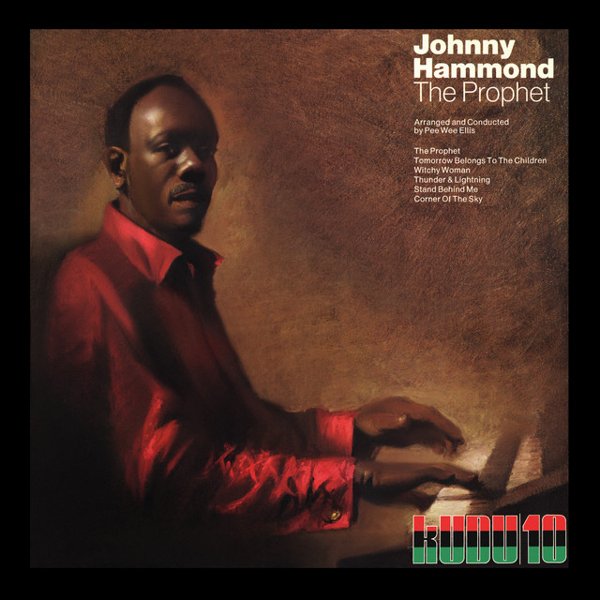
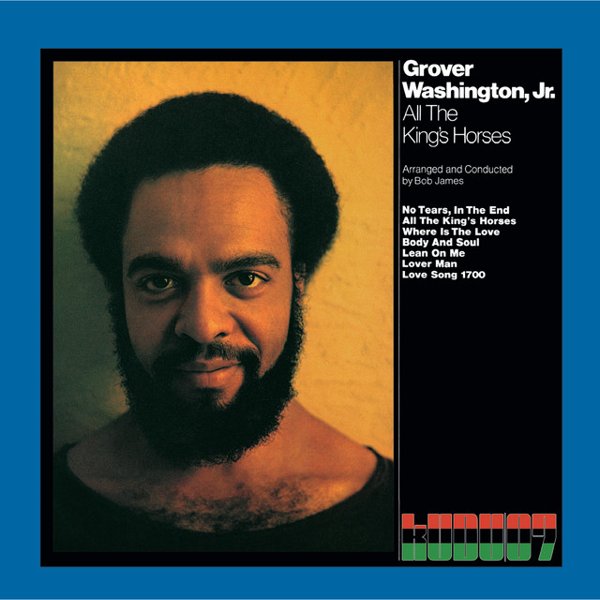
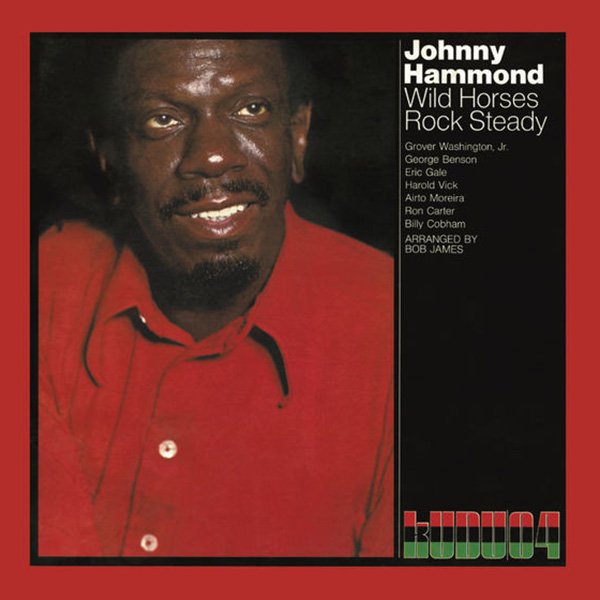
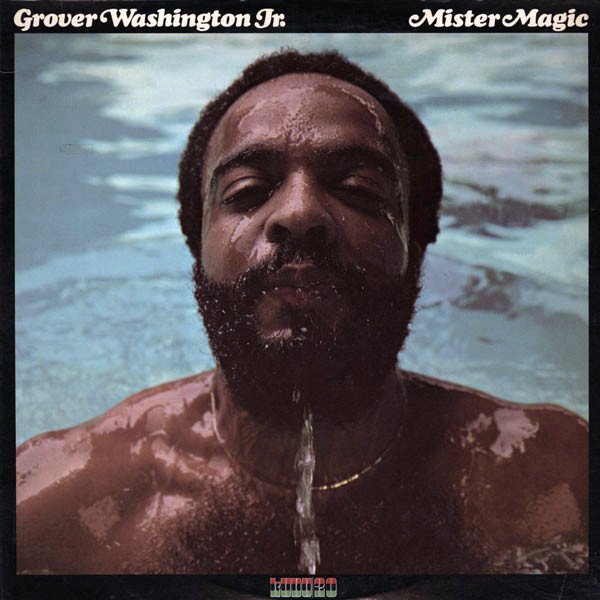
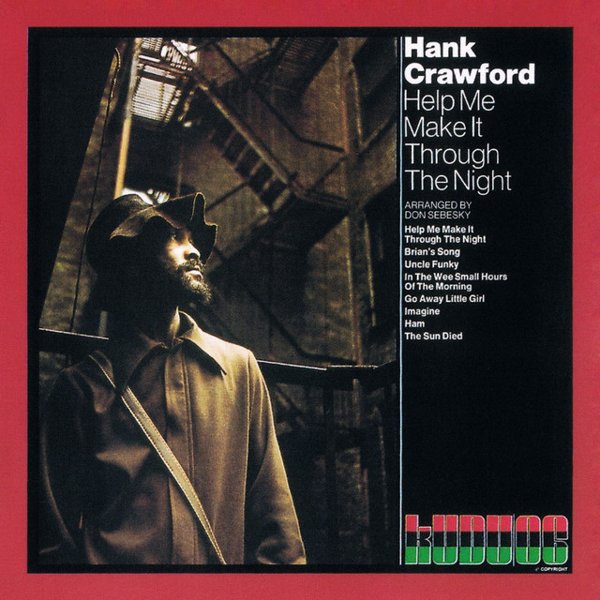
Kudu achieved much while it was active, popularising the slicker end of jazz funk and fusion and bringing jazz to a wider audience. The label also launched Grover Washington Jr.’s solo recording career, brought Esther Phillips back with a series of career-best albums, and released Idris Muhammad’s finest albums too, as well as consistently putting out quality performances from organist Johnny Hammond and saxophonist Hank Crawford. Active for eight years, Kudu didn’t leave a large back catalogue, eventually closing due to legal problems in 1979. It was briefly reinstated in 1983 with a single Grover Washington Jr. album, again in ’93 with a film soundtrack, and finally again in ’96 with a remix compilation, but it’s in the thirty-eight albums from Kudu’s peak seventies years where the gold lies.